The first time I visited Guatemala I made two big mistakes: 1. I didn't bring any herbs with me and 2. I brushed my teeth with the water. By the second week of our trip I was spending so much time in the bathroom I wasn't sure if I'd ever be able to leave and it took probably 2 months after returning home before my body recovered completely.
For our wedding in Guatemala I wanted to make sure I didn't make the same mistakes and more importantly, make sure my family didn't get sick either. There is alot to adjust to besides the water. Your body is on a new time schedule even if the clocks haven't changed. The food is prepared differently despite an abundance of U.S. chain restuarants everywhere. There is a whole new culture to acclimate to as well. Just being nervous about being in a new country can bring on tummy troubles.
The Chinese herbal formula Xiang Lian Wan or commonly referred to as Traveler's Aid is a very safe and effective remedy for upset stomach or food and/or water poisoning. The 2 herbs in this formula has an antibacterial affect and is calming to stomach cramping. There are few adverse side effects to taking this formula but it is important to note that this formula should not be taken long term and should be used only as needed.
It is highly recommended to take a bottle with you when traveling. I took maybe 2 or 3 doses while in Guatemala as prevention when I started to notice my stomach feeling a little off and sailed through the trip without any problems.
Sarah Canga-Arguelles (Zender)
Neighborhood Acupuncture Place (NAP)
230 Florence St
Crystal Lake IL 60014
www.clnap.com
815.893.9825
Tuesday, November 29, 2011


Tuesday, November 22, 2011
Welcome Back Mrs. Sarah Canga-Arguelles (Zender)
Seeing that it is thanksgiving this week I just wanted to take this week's blog post to thank everyone for the warm wishes for our wedding on 11.11.11 in Guatemala. So many of you requested we take plenty of pictures of the big day and I thought it would be easiest to show a few here while we are waiting for our prints. Our photographer, Juan Miguel Carrillo made a wonderful slideshow of the highlights.
Don't forget starting this Friday you can purchase 3 gift certificates for your friends and family and get one 1 free!
Sarah Canga-Arguelles (Zender)
Neighborhood Acupuncture Place (NAP)
230 Florence St
Crystal Lake IL 60014
www.clnap.com
815.893.9825
Don't forget starting this Friday you can purchase 3 gift certificates for your friends and family and get one 1 free!
Sarah Canga-Arguelles (Zender)
Neighborhood Acupuncture Place (NAP)
230 Florence St
Crystal Lake IL 60014
www.clnap.com
815.893.9825
Tuesday, November 1, 2011
Benefits of Raw Honey
There was an interesting article in Patch.com today about a local beekeeper and the benefits of raw, local honey. Many of you have been coming in for seasonal allergy complaints. Adding local honey to your health routine may be a great way to supplement your acupuncture treatments. Read the article below and if allergies are an issue make sure to check out the link explaining how to use honey for allergies.
Related Topics: Bees


For Mark Leider beekeeping is a hobby, a business and an environmental mission.
The Libertyville resident says his primary motivation in beekeeping is to help the honeybees survive.
“Without the bees, we don’t have pollination, and that is what gives us most of our fruits and vegetables,” Leider said.
One-third of our diet comes from insect-pollinated plants, and the honeybee is responsible for 80 percent of that pollination, according to the U.S. Department of Agriculture.
Our dependence on the honeybee as a pollinator has caused many environmentalists and scientists concern about colony collapse disorder, the mysterious and sudden loss of entire beehives.
Falling in Love With Beekeeping
Leider’s interest in bees started about seven years ago.
“I wasn’t getting a good yield with my fruit and veggies, so I thought I should try raising bees for pollination,” he said.
After spending more than three years researching beekeeping, Leider got his first beehive.
“I fell in love with beekeeping; one hive turned into 100,” he said.
Leider started out with hives in his own Libertyville backyard, but when a neighbor complained, he decided to move the hives. He said the village treats beehives as a nuisance; they aren’t a problem until someone complains.
Leider’s hives are located on 10 different properties in eastern Lake County.
Not Your Typical Hobby
Beekeeping is an expensive and time-consuming hobby, he said.
“You can’t just get bees,” Leider said. He said beekeeping requires a lot of knowledge and supplies. Getting started can cost well over $500 in the first year, he said.
Beehives ordered from a catalog can cost $200 to $300. Leider saves money by building his own hives. Beekeepers also need a smoker to drive the bees out of the hive for honey removal, protective gear and various equipment for extracting and preparing the honey.
“It’s like having a dog; you really don’t understand the cost until you get one,” Leider said.
Not only is beekeeping expensive, it also takes a lot of time. “It’s like having livestock. You’re constantly checking the hives to make sure the queen is alive,” he said. Even during the winter, Leider needs to check up on the hives.
From the caring for bees to the careful, slow preparation of the honey, Leider’s hobby takes a lot of his time. He said he spends about 25 percent of his time on his main business, spa repair, and 75 percent on beekeeping.
“It’s one of the most labor-intensive things I’ve ever done.”
Benefits of Raw Honey
Leider can be found at the Libertyville Farmers Market selling a number of products from his beehives, including beeswax candles, bee pollen, which has concentrated vitamins, minerals and amino acids, honeycomb, and two types of honey — spring and summer. The spring honey tastes like liquid candy, he said, while the summer honey has a more traditional, fruity honey flavor.
He tells customers about the health benefits of raw honey and warns to beware of store-bought honey. Chinese honey makers are laundering their products through other Asian nations, according to a Time Magazine article. The problem with the Chinese honey is that it may not be honey at all, but a mixture of honey with sugar or high-fructose corn syrup. It also may be tainted with lead.
Local, raw honey is said to offer many health benefits.
“Pasteurization destroys all the good things in honey,” he said. Raw honey is a pure sweetener loaded with vitamins and antioxidants, and it also provides energy, Leider said.
Instead of pasteurization, Leider slowly dehydrates the honey to prevent fermentation and increase its shelf life.
Benefits of Local Honey
Local honey is said to reduce the symptoms associated with seasonal allergies. Since the bees ingest the same pollen that causes allergies, the honey is believed to act as an immune booster. Thomas Leo Ogren, author or Allergy-Free Gardening explains how to use raw honey for allergies.
“A lot of people say they have gotten off all their allergy medicines after taking local honey every day,” Leider said. He said local means the honey should come from no farther than 20 to 30 miles from home.
Leider eventually would like to turn beekeeping into his full-time job, because despite the significant time it requires, he still loves it.
“It’s good for the environment and it’s lots of fun,” Leider said.
Tuesday, October 25, 2011
A Simple Recipe for Coughs
I recently came across this blog called Recipes to Nourish and it is full of great resources for healthy foods! Check out their blog post from last Monday below. Its a simple recipe that can help with coughs. I thought it was appropriate now that fall is upon us and with is the cold/flu season.
Slippery Elm “Candies” for Coughs


Slippery Elm “Candies” for Coughs
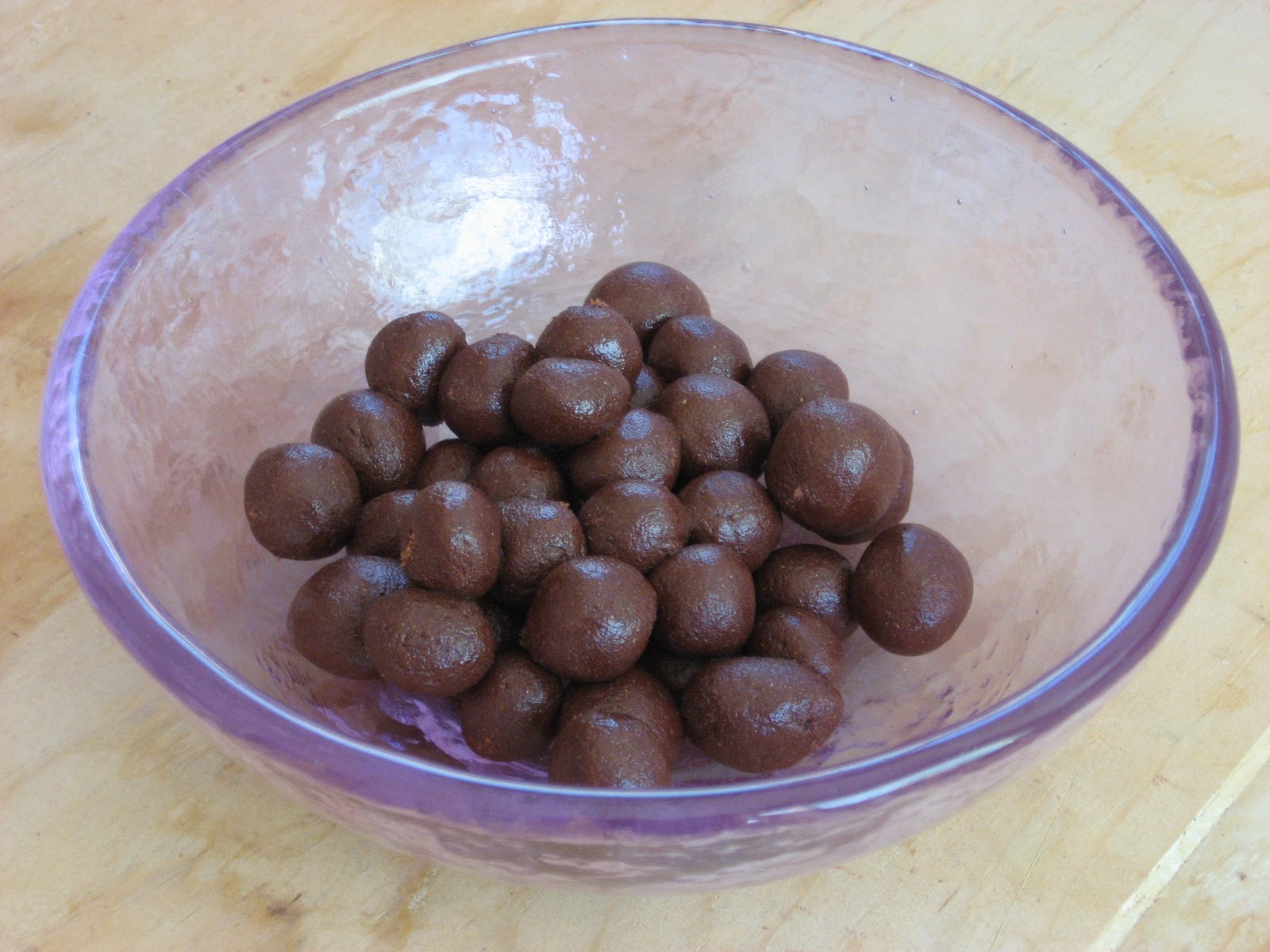
Slippery Elm is wonderful for pesky coughs. It helps soothe irritations, moisten dry throats and calm coughs. When paired with raw honey (which is naturally antibacterial, antiseptic and antifungal) it provides a wonderful natural remedy for coughs.
Slippery Elm “Candies”
These are so easy to make. Make sure to always have some slippery elm powder on hand.
Equipment: Small bowl
- ¼ cup slippery elm powder (See Resources)
- 3 tablespoons raw honey (I use local raw clover creamed)
- 3 tablespoons raw cacao powder or carob powder
- ½ - 1 teaspoon ground cinnamon
- ½ teaspoon gluten free organic vanilla extract (I use Simply Organic)
1. In a small bowl, add all ingredients. With clean hands, mix to combine until it forms a dough.


2. Break off small pieces of dough (about ½ - 1 teaspoon) and roll into little balls. You can also roll dough into a thin “snake” and break off small pieces to roll into balls.

3. Place in a bowl and leave out on the counter covered. They will start to dry out a little becoming more like a lozenge. They can be consumed right away as is or when they have dried.
Yield: Makes about 40 mini "candies."
Dosage: Suck on these “candies” as often as needed. Safe for children too (not babies due to the raw honey).
Note: If you do not care for cacao or carob, omit and replace with extra slippery elm powder.
Disclaimer: ALL information you read on Recipes to Nourish is purely for informational and educational purposes only. I love to share and share with love, but I am not a health care practitioner. This information is not intended to treat, cure or prevent any disease. If you have questions about food, diet, nutrition, natural remedies or holistic health, please do your own research and consult with your health care practitioner.
Tuesday, October 11, 2011
A Great Documentary About Community Acupuncture
A recent documentary was filmed about the community acupuncture movement. Thank you to Brian Lindstrom who took the time to really *get* what Community Acupuncture is about, and then captured that with his talents in film making. Special thanks to the patients of Working Class Acupuncture and Philadelphia Community Acupuncture for their patience and participation in this endeavor.
Many of you who have come in for treatment at NAP may not be aware of this movement. It was started in 2006 to help acupuncturists help patients by essentially bringing acupuncture back to its roots and offering low cost treatments in a shared space much the same way acupuncture has been practice across Asia for its long history and is still practiced today. This is a social business model which means the intent of the business is create a stable job with a livable wage for those that are employed there, any profits are put back into the community as social dividends. The Community Acupuncture Network (CAN) a non for profit that has been supporting acupuncturists learn about community acupuncture has evolved into the cooperative People's Organization of Community Acupuncture (POCA). Which I will get more into later. This week, enjoy the snippet of the Community Acupuncture documentary by clicking on this link.
Sarah Zender LAc
Neighborhood Acupuncture Place (NAP)
230 Florence St
Crystal Lake IL 60014
815.893.9825
www.clnap.com
Filmed & Directed by:
- Brian Lindstrom
Co-Produced by:
- Moses Cooper
- Jessica Feltz
- Lisa Rohleder
- Ellen Vincent
- CAN Board of Directors
“Like” the Facebook Page and share your comments here!
Many of you who have come in for treatment at NAP may not be aware of this movement. It was started in 2006 to help acupuncturists help patients by essentially bringing acupuncture back to its roots and offering low cost treatments in a shared space much the same way acupuncture has been practice across Asia for its long history and is still practiced today. This is a social business model which means the intent of the business is create a stable job with a livable wage for those that are employed there, any profits are put back into the community as social dividends. The Community Acupuncture Network (CAN) a non for profit that has been supporting acupuncturists learn about community acupuncture has evolved into the cooperative People's Organization of Community Acupuncture (POCA). Which I will get more into later. This week, enjoy the snippet of the Community Acupuncture documentary by clicking on this link.
Sarah Zender LAc
Neighborhood Acupuncture Place (NAP)
230 Florence St
Crystal Lake IL 60014
815.893.9825
www.clnap.com
Tuesday, September 27, 2011
How Safe Are Your Cleaning Products
I just recently became aware of this article from the sun times about a cop who died after inhaling fumes of cleaning products at the police station.
Often times we take for granted what exactly is in the household cleaners we use on a regular basis. I know recently we talked about what is in tooth paste and other personal care products here. Today I wanted to give you some options for safer house hold cleaning products. Above there is a video on how to make your own cleaning products at home based on the recipe of the Thieves essential oil. If you don't have the time or patience for a DIY project Young Living has an concentrated thieves cleaning product available for purchase as well. (Young Living orders go out the 2nd of each month)
If you are still looking for safer alternatives for personal care products and you live locally make sure to check out Turtle Bay Naturals a Hand Made Soap Company. You can check ingredients of their products right on their website.
Sarah Zender LAc
Neighborhood Acupuncture Place (NAP)
230 Florence St
Crystal Lake IL 60014
815.893.9825
www.clnap.com
Often times we take for granted what exactly is in the household cleaners we use on a regular basis. I know recently we talked about what is in tooth paste and other personal care products here. Today I wanted to give you some options for safer house hold cleaning products. Above there is a video on how to make your own cleaning products at home based on the recipe of the Thieves essential oil. If you don't have the time or patience for a DIY project Young Living has an concentrated thieves cleaning product available for purchase as well. (Young Living orders go out the 2nd of each month)
If you are still looking for safer alternatives for personal care products and you live locally make sure to check out Turtle Bay Naturals a Hand Made Soap Company. You can check ingredients of their products right on their website.
Sarah Zender LAc
Neighborhood Acupuncture Place (NAP)
230 Florence St
Crystal Lake IL 60014
815.893.9825
www.clnap.com
Tuesday, September 20, 2011
What is Moxabustion?
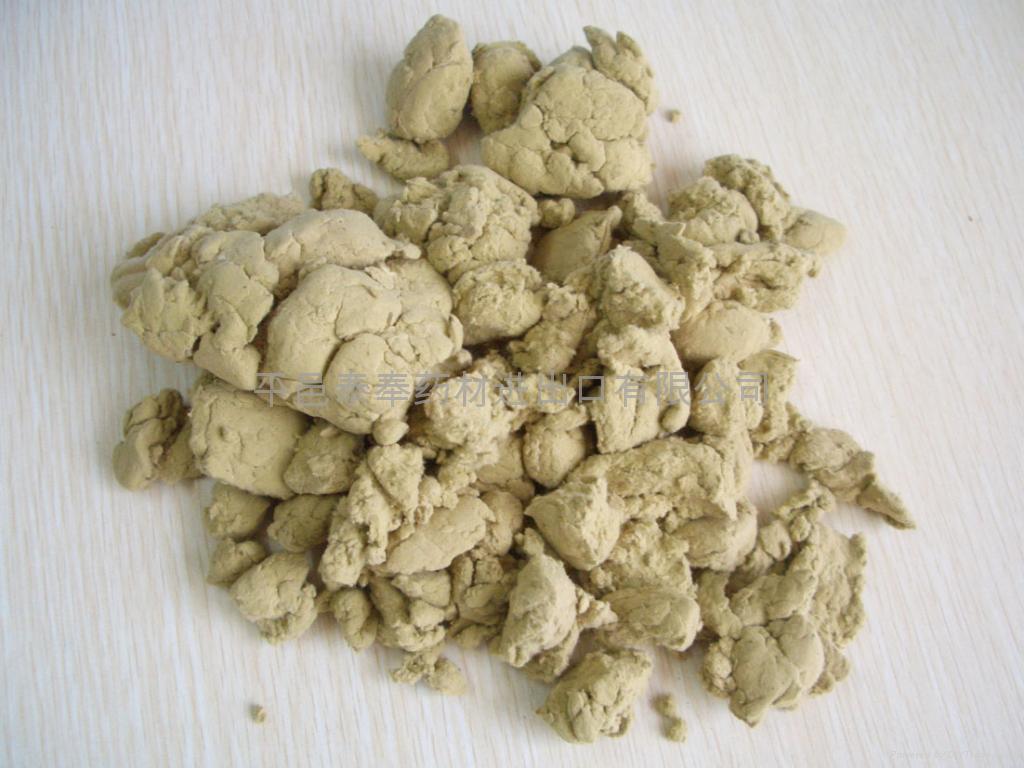 Moxa or Artemisia Vulgaris is a species of chrysanthemum and can be used for a variety of conditions. In Chinese Medicine there are several ways to use moxa and all involve burning this herb over or on acupuncture points.
One major benefit of Moxa is that it benefits circulation. It can be used to regulate the energy and blood of the body, expel cold and dampness especially if pain is worse in these kind of environments, warm the uterus, stop bleeding, regulate digestion as well as menstruation, and ease the fetus or turn a breech baby.
 Moxa can be used preventatively as well. Burning moxa over the acu-point Zu San Li St36 on a regular basis is a great way to stay healthy. In Notes on Bian Que's Moxibustion, it says, "when a healthy man often has moxabustion to the points of CV4, CV6 and CV12 he would live a very long life, at least one hundred years."
Currently in Africa moxabustion is being used as a treatment for tuberculosis through the organization Moxafrica. There is research evidence from Japan in the 1930s and 40s where moxabustion was used effectively and cheaply to treat and in many cases cure TB.
Sarah Zender LAc
Neighborhood Acupuncture Place (NAP)
230 Florence St
Crystal Lake IL 60014
815.893.9825
www.clnap.com
Subscribe to:
Posts (Atom)